


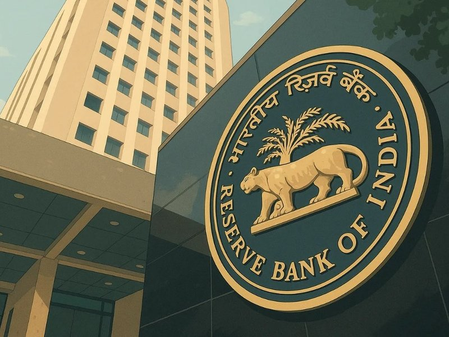
Banks will only be allowed to declare dividends or remit profits if they meet strict financial and regulatory conditions, as per a draft framework released by the Reserve Bank of India (RBI). The aim is to ensure that profit distributions do not compromise the financial stability of banks.
According to the proposed rules, banks must adhere to all regulatory capital requirements at the close of the previous financial year and maintain these standards when dividends are disbursed. The RBI emphasizes that capital levels must exceed specified thresholds even after dividends are paid out.
Indian banks must also show a positive adjusted profit after tax for the relevant period, while foreign banks operating in India through branches need to demonstrate positive profits to transfer funds to their head offices. Banks facing restrictions from the RBI or any other authority will not be eligible to distribute dividends or remit profits, ensuring that only well-managed and compliant banks reward shareholders or transfer profits abroad.
The RBI’s draft guidelines follow a review of existing prudential norms governing dividend declarations and profit remittances, including those applicable to foreign banks operating through branches in India. The revised framework, initially released for public feedback in January 2024, was developed after consultations with stakeholders to propose a new method for determining the maximum allowable dividend payout.
Eligible foreign banks, as per the draft, can remit net profits from their Indian operations without prior RBI approval if their accounts are audited. However, any excess remittance must be promptly returned by the head office. The RBI has also introduced stricter rules on profit calculation, requiring banks to exclude exceptional or extraordinary income when computing post-tax profits.
