


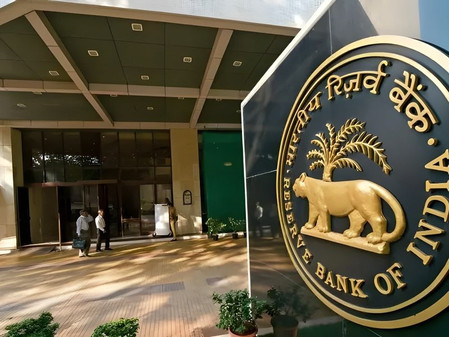
The Reserve Bank of India (RBI) is anticipated to carry out additional open market operations in February–March to maintain durable liquidity, as per a report by Axis Mutual Fund. The report suggests that RBI aims to sustain liquidity at approximately 1.25/1.75 per cent of net demand and time liabilities, even as the peak surplus liquidity period for Indian markets has passed. Following a rate cut in December 2025, the RBI is likely to prolong its pause, keeping interest rates lower amidst a favorable macro environment.
The report highlights that liquidity has been in surplus since April 2025, following RBI’s infusion of Rs 12 trillion through OMOs and cash reserve ratio cuts, along with policy measures in December. This surplus liquidity is expected to persist through March 2026. Additionally, a stable rate cycle, ongoing liquidity normalization, and the potential inclusion of Fully Accessible Route government bonds in the Bloomberg Global Aggregate Index may lead to a flattening of the yield curve in 2026, the report states.
As the trend of curve-flattening gains momentum, the report predicts that long bonds with yields ranging from 7.25-7.40 per cent could offer significant protection in the current scenario. The fund house recommends a barbell strategy that combines short-tenor bonds for liquidity and long-duration government bonds for tactical gains, providing both steady accrual and potential upside.
Suggesting a strategy, the fund house proposes two-year AA corporate bonds for accrual and long tenure government bonds for duration. Another recent report from HSBC Mutual Fund points out that the 2–3-year corporate bonds and 7–12-year segment in Indian Government Bonds (IGBs) are likely to present attractive yields in 2026. The anticipated open market operations could positively impact the demand-supply balance for central government securities, according to the fund house.
