


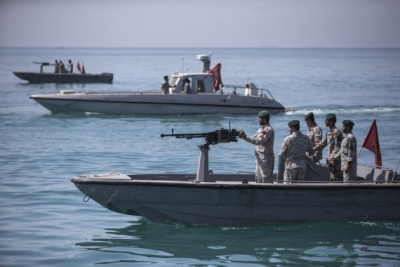
Reimagining the United Nations Convention on the Law of the Sea (UNCLOS) is vital to enhance maritime stability, not by creating a new constitution but by addressing its strategic limitations, according to a report. Former Indian diplomat Sanjay Kumar Verma emphasized that UNCLOS, a significant post-war diplomatic achievement, established a legal framework for ocean governance, balancing coastal state rights with maritime powers’ needs. Despite its importance, challenges persist, as seen in the Strait of Hormuz where legal protections can be overshadowed by geographical advantages, impacting global energy markets and shipping routes.
Verma pointed out that recent events in the Taiwan Strait and the South China Sea underscore the complexities of upholding navigational freedoms and implementing legal rulings effectively. While UNCLOS remains a cornerstone of international maritime law, its practical efficacy is questioned in the face of evolving geopolitical dynamics. Verma suggested strengthening UNCLOS through enhanced compliance mechanisms, stricter interpretations, and increased international cooperation to uphold its principles in the modern era.
The diplomat highlighted the need for a renewed focus on ensuring that UNCLOS evolves to meet contemporary challenges, emphasizing the importance of a robust legal, political, and operational framework to safeguard maritime order in the 21st century. By reinforcing UNCLOS with updated mechanisms and fostering cooperative efforts, Verma argued that a second phase of UNCLOS implementation is essential to prevent a shift towards a maritime environment characterized by coercion and ambiguity.
