


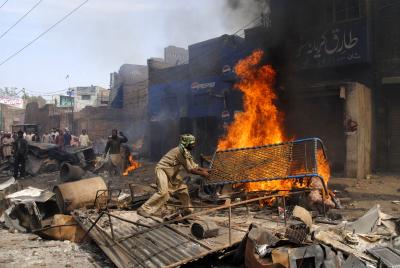
Freedom of religion and belief is a crucial human right, especially in South Asia, known for its diverse religious landscape. Despite constitutional guarantees, minorities in countries like Pakistan face challenges, with religious identity affecting safety and citizenship. Issues such as blasphemy accusations and legal restrictions impact minority communities, leading to concerns about religious freedom.
In Bangladesh, minority populations, particularly Hindus, have been shrinking over the years. The Vested Property Act and underrepresentation in state institutions pose challenges to minority communities. Communal violence has also been a recurring issue, highlighting the vulnerability of minorities during political unrest.
Sri Lanka, post-civil war, still grapples with religious and ethnic tensions, with minority communities facing marginalization. Land appropriation issues and limited minority representation in key institutions contribute to ongoing grievances. Similarly, Nepal’s secular state status coexists with restrictions on religious conversion, impacting religious outreach and missionary activities.
India, in contrast, has a relatively strong record on religious freedom, with constitutional guarantees and a secular state framework. Legal protections and institutional space for pluralism are notable, with recent court interventions showcasing a commitment to justice for victims of communal violence. Public policy initiatives, like the Jiyo Parsi Scheme, aim to address vulnerabilities within specific communities.
Despite these efforts, rising religious tensions in India and persistent challenges in South Asian countries underscore the need for stronger protection of religious freedom. Ensuring accountability, justice, and stability for religious minorities remains a critical task for the region’s progress.
