


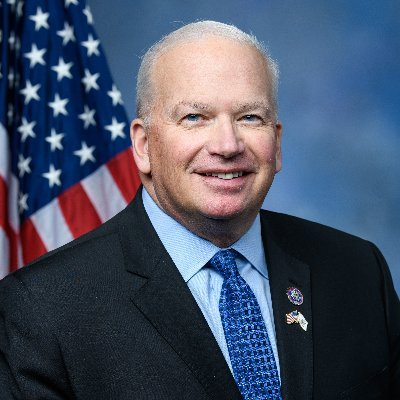
Two Republican lawmakers have put forth legislation to counter China’s Belt and Road Initiative, aiming to curb Beijing’s global economic and strategic influence. Congressmen Scott Fitzgerald and Zach Nunn introduced the Thwarting Regional Adversary Investments Now (TRAIN) Act and the Build Responsible Infrastructure Development for the Global Economy (BRIDGE) Act. These bills are designed to enhance the US response to China’s use of economic leverage through investments and infrastructure projects abroad.
The TRAIN Act, as per Fitzgerald’s office, would assist non-adversarial partner governments in evaluating and mitigating legal and financial risks before accepting investments from China or other foreign adversaries. The BRIDGE Act, on the other hand, seeks to counter China’s efforts to establish an integrated economic and political order under Beijing’s leadership. It mandates a report assessing China’s Belt and Road Initiative within 180 days.
The proposed legislation comes amidst ongoing discussions in Washington on how to address China’s expanding economic presence in developing nations. More than 150 countries and 32 international organizations have signed agreements related to the Belt and Road Initiative. The initiative, launched in 2013, has seen significant engagement, with estimated construction contracts and investments reaching $213.5 billion by 2025.
Nunn emphasized the direct economic impact on American workers and exporters, stating that China’s actions disadvantage them in the global market. He highlighted the need for a comprehensive strategy to counter China’s economic coercion tactics and ensure fair competition. The bills introduced by the lawmakers are part of a broader effort to tackle China’s growing economic and strategic influence.
