


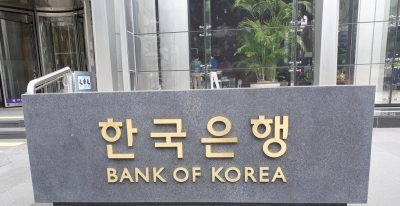
A recent report from the Bank of Korea highlighted a significant increase in the percentage of young South Koreans aged 20 to 34 who are neither working nor actively looking for jobs. This group, classified as “resting,” saw a rise from 14.6% in 2019 to 22.3% in 2025. Among these individuals, the number of young people who expressed no desire to work at all grew to around 450,000 in the past year, up from 287,000 in 2019.
The report revealed that a majority of the “resting” group consisted of youths with a junior college education or lower. However, there has been a noticeable increase in the proportion of university graduates within this category in recent years. Structural factors such as changes in the labor market driven by artificial intelligence, companies’ preference for experienced workers, and sluggish economic growth were cited as reasons for this trend.
According to the Bank of Korea, the rise in young people opting out of the job market could have negative implications on the country’s economic growth potential. Contrary to common beliefs, these “resting” youths do not hold high wage expectations, with their average minimum expected annual salary standing at approximately 31 million won (US$20,975), similar to other unemployed young individuals. Yoon Jin-young, a BOK official and the report’s author, emphasized the need for both short-term and long-term measures to address this issue, urging for stronger incentives and policy reforms to encourage youth to re-enter the labor market and enhance employment conditions.
