


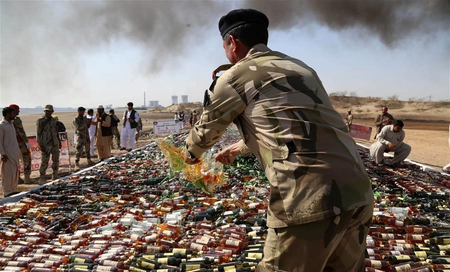
Pakistan has seen a surge in the online sale of drugs in recent years, facilitated by digital transactions. This trend has led to an increase in drug consumption among young people, who are also being coerced into becoming drug couriers. Traffickers are exploiting technology and global instability to introduce new, potent drugs into the market, as highlighted in a report by ‘The News International.’
The emergence of novel drugs in the market, reportedly more powerful than previous variants, has been noted. Instances of drug networks utilizing these methods have been observed in Pakistan. Notably, a drug dealer known as Anmol alias Pinky has been accused of distributing cocaine in various educational institutions, social gatherings, and affluent areas of Karachi. Additionally, drugs are being peddled online, primarily targeting the youth demographic.
Experts and officials have raised concerns about the escalating drug use among young individuals and educational settings in Pakistan. The Anti-Narcotics Force (ANF) uncovered 31 drug traffickers and seized 140 kilograms of narcotics from 235 universities in 2024. Moreover, the provincial government in Sindh has announced plans for random drug testing in schools to combat the growing drug problem among children. The online sale of narcotics poses a significant challenge, especially as it becomes as convenient as ordering food delivery.
The utilization of synthetic drugs, which are more potent and easier to conceal, further compounds the risks associated with drug abuse. The digital landscape has made drug accessibility more convenient, leading to a situation where young people are not just consumers but also potential drug couriers enticed by false promises of wealth and luxury lifestyles. Reports from local media have highlighted a concerning increase in youth drug abuse and suicide rates in Pakistan, emphasizing the urgent need for intervention and prevention strategies.
