


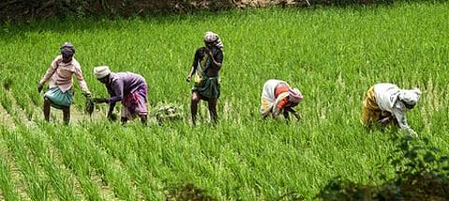
As the samba paddy harvest gains momentum in southern Tamil Nadu, the open market is experiencing a surge in the sale and prices of finer and superfine paddy types, providing farmers with improved returns compared to the previous year. Market experts note a significant increase, up to 30%, in prices of premium varieties, mainly due to reduced inflows from neighboring states and steady consumer demand. Samba paddy cultivation, typically carried out from September to January, is currently at its peak harvest phase.
The rise in arrivals at markets has led to heightened trading activities, especially for finer and superfine varieties favored by rice millers for their superior milling recovery and strong market demand. These varieties are commanding higher prices compared to coarser grades, reflecting the market dynamics.
Farmers are optimistic about the current season, which marks a positive change from the previous year when prices remained low despite satisfactory production levels. The improved price realization this year is helping farmers offset increasing cultivation costs and fostering a sense of hope among agricultural producers.
Industry insiders highlight Tamil Nadu’s reliance on Karnataka for rice supplies, with a significant decline in paddy cultivation in Karnataka this season due to infrastructure developments at the Tungabhadra dam. This has resulted in lower availability in the inter-state market, driving up demand within Tamil Nadu and subsequently pushing prices higher.
Popular varieties like ‘RNR’ and ‘Akshaya’, which were priced at around Rs 26 and Rs 31 per kg last year, are now selling at approximately Rs 29 and Rs 35 per kg, respectively. Experts anticipate that the improved pricing environment could incentivize farmers to transition towards high-demand varieties in the future, potentially reducing Tamil Nadu’s dependence on external sources for rice procurement.
Experts estimate that nearly 60% of the finer and superfine paddy varieties supplied to Tamil Nadu originate from neighboring regions. The Vaigai basin is identified as a suitable area for cultivating premium varieties, prompting stakeholders to advocate for targeted initiatives to promote such crops.
To ensure market stability, trade associations have collaborated with rice millers in Madurai to utilize shared drying, packing, and storage facilities with a total capacity of around 25,000 tonnes. This collaboration aims to manage fluctuations in arrivals and demand effectively.
Despite the positive price trends, farmers are exercising caution due to prevailing humid conditions. Concerns have been raised about the potential risks of pest attacks and crop diseases resulting from prolonged humidity, which could impact yields during the remaining harvest period.
