


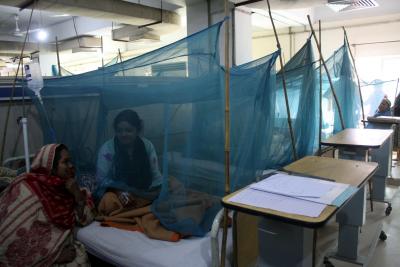
The increase in mpox cases in Pakistan has highlighted deficiencies in the healthcare system, raising concerns about its ability to effectively respond to public health challenges. The recent surge in cases, initially thought to be isolated, has now developed into a more complex epidemiological situation. This shift has put health authorities on alert, especially in Khyber Pakhtunkhwa province, where both public and private healthcare facilities are on high alert.
The transition from imported cases to suspected local transmission signifies a critical phase, indicating the virus’s persistence and the difficulty in containing its spread within communities. Local transmission complicates containment efforts, making contact tracing more challenging and increasing the risk of undetected spread. The suspected local transmission has also shed light on deficiencies in Pakistan’s disease surveillance infrastructure, emphasizing the need for timely detection, accurate reporting, and coordinated response mechanisms.
The rise in mpox cases points towards potential struggles in detecting and containing the outbreak at an earlier stage. Regional disparities in healthcare infrastructure, particularly in provinces like Khyber Pakhtunkhwa, pose unique challenges due to resource limitations and uneven access to medical facilities. These disparities can impact the detection and effectiveness of response measures.
The concentration of cases in specific regions may not accurately reflect the true distribution of infections, indicating potential underreporting or undetected cases in other areas. This situation underscores the broader challenges faced by Pakistan’s healthcare system, including resource constraints and competing priorities, which can affect the speed and efficiency of responses to emerging health threats.
