


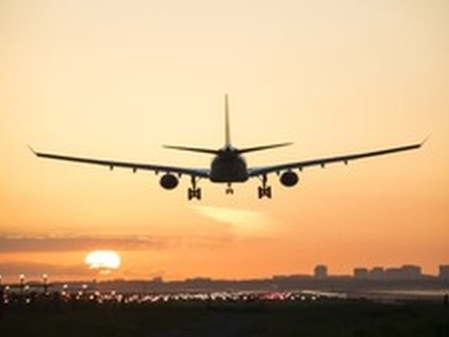
Russia’s display of its civil aircraft, the Ilyushin IL-114-300 and the Superjet SJ-100, at Wings India 2026 in Hyderabad signifies a new chapter in India-Russia economic ties, particularly in civil aviation. This move highlights Moscow’s strategy to access India’s growing regional aviation sector through long-term partnerships rather than mere aircraft sales. While India’s aviation growth has been driven by major orders from Airbus and Boeing, there is a burgeoning market in regional aviation connecting smaller cities.
The regional aviation sector in India, serving millions of passengers annually, presents a substantial opportunity for aircraft procurement, leasing, maintenance, training, and operations. With airport expansions and the UDAN connectivity scheme, this segment is attracting attention. Leveraging the strong historical ties between India and Russia, experts suggest that India may consider allowing Russian manufacturers to establish local production and assembly lines under the “Make in India” initiative.
The Ilyushin IL-114-300, a 68-seat turboprop aircraft tailored for short runways and challenging conditions, aims to compete with established players like the ATR 72-600 and the Dash-8 Q400 on India’s regional routes. Industry projections indicate a price range of $20 million to $35 million post mass production stabilization, aligning with existing options in the turboprop category. On the other hand, the Superjet SJ-100, seating around 87 to 98 passengers, targets the higher end of the regional jet market with an estimated price range of $30 million to $36 million.
Despite comparable pricing to Western counterparts, the appeal of these Russian aircraft lies in the potential industrial collaborations they offer. Russian manufacturers are proposing local manufacturing, assembly, and sourcing in India, transforming the decision from a mere import choice to a broader industrial strategy. This approach not only supports job creation in high-skilled sectors like engineering and avionics but also fosters long-term supplier ecosystems critical for sustained growth.
The entry of Russian civil aircraft into the Indian market is expected to drive focus towards maintenance, repair, and overhaul services. Beyond the initial purchase, the economic value of an aircraft is maximized through spares, upgrades, training, and overhauls during its operational lifespan of 25 to 30 years.
