
Close Menu
  • Indian Festivals 2026
  • Movie & OTT Releases This Week
  • News
  • Entertainment
  • NRI Life
  • Research
  • Advertise with us
Facebook X (Twitter) Instagram YouTube
  • Download Indian Community App
  • Advertise Here
Facebook X (Twitter) Instagram
Indian CommunityIndian Community
Trending
  • Onekdin Por Review (2026): A Quietly Powerful Bengali Drama That Heals the Heart
  • Carry On Jatta 4 Review (2026): Punjabi Comedy’s Most Beloved Franchise Returns With Even Bigger Laughs
  • Moda Kavida Vaatavarana (2026) Review: Suni Weaves a Hauntingly Beautiful Monsoon Drama That Lingers Long After the Credits
  • UYiR Movie Review (2026): Roshan Mathew Delivers a Gripping Performance in This Malayalam Crime Thriller
  • Tera Mera Nata Review (2026): A Heartfelt Tale of Love, Family, and Sacrifice
  • Heartin Movie Review: Sananth and Madonna Sebastian Deliver a Visually Stunning Tamil Romance Worth Your Time
  • Risk – A Game of Youth Review: A Gritty Crime Drama That Takes Bold Chances With Youth and Ambition
  • Balaramana Dinagalu Review: Vinod Prabhakar’s Gritty Gangster Drama Is a Compelling Ride Worth Watching
  • Indian Festivals 2026
  • News
    • National
    • International
    • Entertainment
    • Achievements
    • Scam Alerts
    • Business
    • Health & Medicine
    • Science & Technology
    • Sports
  • Entertainment
  • Latest Movie Releases
    • Latest OTT Releases
  • NRI Life
  • India & Culture
  • Health & Wellness
  • Research
Indian CommunityIndian Community
Home » News » HEALTH/MEDICINE
HEALTH/MEDICINE

Scientists find biological signals to predict course of chronic kidney disease

Indian Community Editorial TeamBy Indian Community Editorial TeamAugust 15, 20252 Mins ReadNo Comments Add us to Google Preferred Sources
Scientists find biological signals to predict course of chronic kidney disease
Share
Facebook Twitter LinkedIn Pinterest Email

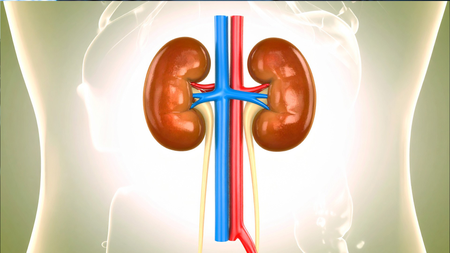
New Delhi, Aug 15 (IANS) A simple blood or urine test may now help better predict how chronic kidney disease is likely to progress, according to a study on Friday, which identified key biological signals of the disease.

The team from The University of Manchester showed that higher levels of Kidney Injury Molecule-1(KIM-1) — a special marker of kidney damage in the blood and urine — are associated with higher risks of mortality and kidney failure.

Last month, the team measured 21 markers in blood and urine that reflect key processes driving kidney disease, inflammation, and heart disease.

Unlike the generic tests used in routine kidney clinics, these markers shine a light on the biological changes, underpinning CKD, that truly drive the disease.

By revealing the hidden drivers, the discovery opens the door to new treatments designed to target the disease at its roots.

“The progression of chronic kidney disease is highly variable between people, so it’s difficult to predict which patients will progress to kidney failure or worse,” said lead author Dr Thomas McDonnell, from the varsity.

“But our work raises the prospect of the development of simple blood or urine tests that could better predict the degree of risk — invaluable information for doctors and patients.

“We think that these models, which are more closely aligned with the underlying biological changes happening in chronic kidney disease, could allow a more tailored approach to the individual needs of patients,” McDonnell said.

In the study, published in the American Journal of Nephrology, the researchers analysed the blood and urine of adults with non-dialysis chronic kidney disease from 16 nephrology centres across the UK.

They analysed blood and urine KIM-1 in 2581 patients for the KIM-1 study. Separately, they looked at 21 markers of kidney damage (identified by the researchers in a study last month), fibrosis, inflammation, and cardiovascular disease in a second set of 2,884 patients.

Using statistical analysis, the team could assess how or if biological signals associated with kidney failure and mortality, and developed risk prediction models.

“This discovery may help doctors identify high-risk patients, so they enact more aggressive interventions, earlier specialist referral, and earlier treatment therapies,” McDonnell said, adding that “by identifying low-risk patients, they would be able to prevent over-treatment”.

–IANS

rvt/

Add us to Google Preferred Sources
Indian Community Editorial Team

The Indian Community Editorial Team curates, verifies, and publishes stories that matter to Indians worldwide. From culture and community to business and innovation, our mission is to spotlight voices, ideas, and events that bring our global community closer together. Have news or a story to share? Submit it to us at [email protected].

Add A Comment
find baby names

Congo DR Wins First World Cup Match in 52 Years

June 27, 2026

Akshay Kumar Reveals Involvement in Adding “Bhojpuri is Better Than Hollywood” Line in ‘Welcome To The Jungle’

June 27, 2026

Aishwarya Rai Bachchan Opens Up About Friendship with Rani Mukerji

June 27, 2026

Satish Kaushik Reveals Why Anupam Kher Was Unaware of His Role in “Brick Lane”

June 27, 2026
  • Facebook
  • Twitter
  • Pinterest
  • Instagram
About Us
  • About Us
  • Contact Us
  • Terms of Service
Corporate
  • Download Indian Community App
  • Advertise Here
Facebook X (Twitter) Instagram
  • About Us
  • Contact Us
  • Terms of Service
© 2026 Designed by CreativeMerchants.

Type above and press Enter to search. Press Esc to cancel.