


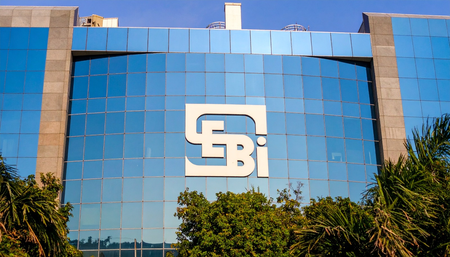
Capital markets regulator Securities and Exchange Board of India (SEBI) has raised concerns about a rise in fraudulent activities involving fake securities transaction tax (STT) notices and misleading “account handling” services promising risk-free profits. Fraudsters have been circulating counterfeit notices demanding payment of STT dues, often using forged SEBI letterheads, logos, and seals, falsely claiming authority under the SEBI Act, 1992.
SEBI also cautioned against “PMS service providers or expert fund managers” who assure investors of risk-free profits in their demat or trading accounts by showcasing profitable trades allegedly made for other investors. The regulator emphasized that STT is automatically collected by brokers during each trade under the Finance Act, 2004, and clarified that it does not issue STT demand notices.
Furthermore, SEBI highlighted instances of imposters impersonating SEBI officials, offices, and email addresses to deceive entities. Fraudsters have been posing as SEBI officials, sending communications using SEBI’s official letterheads, logos, and seals. Investors are advised to engage only with SEBI-registered intermediaries and use authentic trading apps after verifying the registration status of entities on SEBI’s official website.
SEBI recently introduced the ‘SEBI Check’ mechanism, allowing investors to verify the authenticity of UPI IDs or bank accounts by scanning a QR code or manually entering bank details of any SEBI-registered intermediary.
