


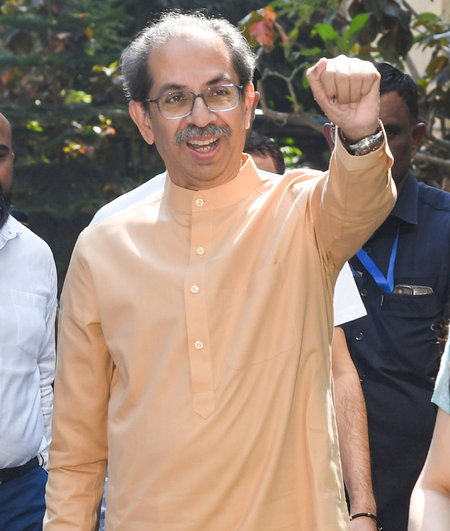
The Shiv Sena Uddhav Balasaheb Thackeray (UBT) criticized the central government for the India-US trade agreement, labeling it as a “declaration of war” against Indian farmers and laborers. In a strongly worded editorial in Saamana, the Thackeray faction expressed concerns about the deal’s impact on the livelihoods of those who provide food in the country. The editorial questioned whether Prime Minister Narendra Modi is prioritizing India’s interests or acting as a “sales agent” for the United States.
The editorial urged farmers and workers nationwide to come together and demand accountability from the government. It highlighted that the agreement was signed during a period of economic vulnerability for India, noting the Indian rupee’s record low against the US dollar in late January. Despite this, the government was criticized for being overly enthusiastic about the deal, with references made to former US President Donald Trump and concerns raised about the nation’s sovereignty being compromised.
The Shiv Sena faction emphasized that Prime Minister Modi should not continue in office after allegedly jeopardizing the welfare of Indian farmers and the country’s sovereignty. Quoting Leader of Opposition Rahul Gandhi, the editorial suggested that the agreement was signed under duress and pressure from Trump. Gandhi claimed that the deal, which had been stalled for months, was suddenly finalized for unclear reasons.
While the BJP hailed the agreement as a positive development benefiting a vast number of Indians, Saamana’s editorial painted a different picture. It pointed out potential negative implications for the domestic economy, including a shift from Russian to US oil imports and the removal of tariffs on various US products. The editorial cautioned that the proposed changes could lead to an influx of subsidized American goods, making local produce less competitive and impacting farmers and agricultural workers.
Expressing concerns over the consequences for agriculture, the Thackeray camp warned about the influx of cheaper American produce under a “zero tariff” regime. This move could affect items like cotton, dairy products, pulses, and fruits, potentially undermining the competitiveness of Indian farmers. The editorial criticized the government for favoring foreign products over local interests, especially at a time when Indian farmers are facing significant challenges.
