


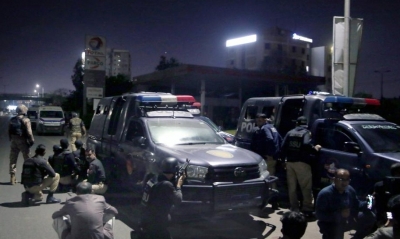
Routine police patrolling in Quetta, Pakistan, faces disruption due to a shortage of fuel for patrol vehicles, raising concerns about potential crime escalation and delayed emergency responses. Patrol vehicles assigned to various police stations in Balochistan’s Quetta have been largely inactive as they receive insufficient petrol and diesel supplies. Each police station is currently allocated only 70 litres of fuel per month, significantly below the vehicles’ operational needs, leading to a lack of regular police presence in many parts of Quetta.
The inadequate fuel supply has forced most patrol vehicles to remain parked for the majority of the month, impacting law enforcement efforts and public safety. With a daily allocation of only two litres of fuel per station for patrol duties, routine patrolling across the city has come to a standstill, providing opportunities for criminal activities to thrive unchecked. The situation is exacerbated by the recent decision of Pakistan’s federal government to close markets and shopping malls early in several provinces, excluding Sindh, as part of energy conservation measures.
On April 6, the federal government of Pakistan announced the closure of markets and shopping malls in various provinces at 8 pm to conserve energy following conflicts in West Asia. The decision, made during a meeting chaired by Prime Minister Shehbaz Sharif, affects Punjab, Khyber Pakhtunkhwa, Balochistan, Islamabad, Pakistan-occupied Gilgit Baltistan (PoGB), and Pakistan-occupied Kashmir (PoK). While markets and malls may remain open until 9 pm in Khyber Pakhtunkhwa, other businesses like bakeries and restaurants will close earlier. Notably, medical stores and pharmacies are exempt from these restrictions.
