


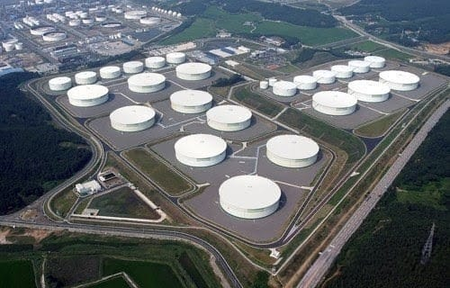
South Korea is carefully considering the timing of its oil stockpile release in line with the International Energy Agency (IEA) agreement. The country had committed to releasing 22.46 million barrels of oil by June 9 as part of a joint effort by 32 IEA member nations. However, the government is approaching this cautiously, viewing it as a last resort measure for extreme situations.
Yang Ghi-wuk, the deputy minister for trade, industry, and resources security, emphasized the need for prudence in deciding when to release the oil. He mentioned that recent improvements in the Middle East situation have alleviated some concerns, but the potential for oil supply disruptions remains a possibility.
The IEA Executive Director, Fatih Birol, has raised alarms about rapid depletion of commercial oil inventories, warning of a possible “red zone” in oil markets by July or August. South Korea, despite not feeling an immediate urgency for an oil release, has been proactive in securing alternative supplies and engaging in crude swap agreements with private companies.
The South Korean industry ministry has reported that the country’s crude oil reserves are currently stable, with 85% of pre-Iran war supplies secured for use until July. Notably, South Korea has significantly increased its oil imports from regions outside the Middle East, with North and South America accounting for a larger share compared to previous years.
