


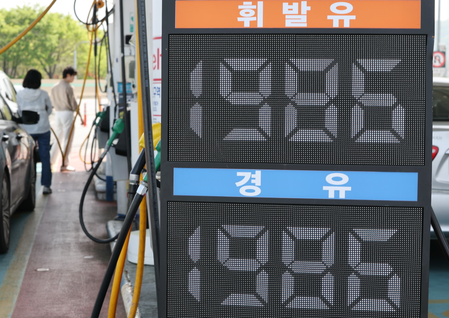
South Korea is set to introduce zero tariff rates on liquefied natural gas (LNG) and liquefied petroleum gas (LPG) within quotas by the second half of 2026. The move aims to address inflation amidst ongoing fluctuations in global energy prices, as announced by the Ministry of Finance and Economy. Lowering tariff rates on LNG, LPG, and crude oil used for LPG production to zero is expected to reduce utility and transportation costs, thereby aiding in stabilizing consumer prices.
The government’s initial plan was to decrease tariff rates on LNG to 2 percent in the third quarter and 1 percent in the fourth quarter, while also reducing rates on LPG and crude oil used for LPG production to 1 percent in the second half. A ministry official highlighted that annual research consistently demonstrates the downward impact on consumer prices due to the tariff-rate quota system in the energy sector.
In May, South Korea witnessed a 3.1 percent rise in consumer prices from a year earlier, driven by global energy price fluctuations, marking the fastest growth in 26 months since March 2024. The tariff-rate quota system, which allows specific import volumes to benefit from reduced tariff rates within defined limits, is expected to aid in managing consumer prices amid the current economic climate.
Finance Minister Koo Yun-cheol emphasized the need for time to normalize global energy production, transportation infrastructure, and logistics supply chains fully. He acknowledged the lingering effects of increased raw material costs and ongoing uncertainties, pledging that the government will utilize all possible measures to ensure consumer price stability. Additionally, South Korea plans to extend the tariff-rate quota system to include nine more agricultural products and two types of animal feed until the end of the year.
