


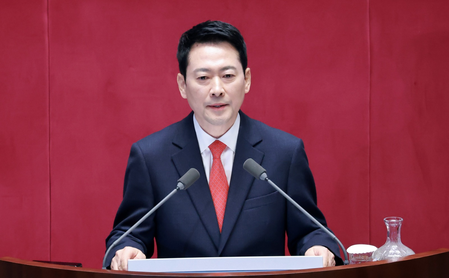
South Korean Opposition leader Jang Dong-hyeok urged for separate special counsel investigations into the Unification Church’s purported connections with ruling Democratic Party lawmakers and bribery claims related to DP nominations. Jang, from the main opposition People Power Party, also pressed for an independent inquiry into the prosecution’s controversial decision not to appeal a land development corruption case linked to President Lee Jae Myung. The criticism from Jang coincided with the DP’s efforts to initiate a comprehensive special counsel probe that might consolidate three distinct investigations, including former President Yoon Suk Yeol’s failed martial law bid.
Jang emphasized the necessity for additional special counsel investigations during a speech at the National Assembly, advocating for three separate probes targeting the DP and the Lee administration. He accused President Lee and the DP of undermining liberal democracy and the judiciary system. Jang highlighted that recent special counsel probes had concluded without significant outcomes after extensive scrutiny of opposition lawmakers, alleging that the DP’s pursuit of further investigations was driven by political motives ahead of the June local elections.
According to Jang, the initiation of a special counsel probe mandates the National Assembly’s approval of a bill, followed by the president appointing a special prosecutor from recommended candidates. Last month, Jang staged an eight-day hunger strike to pressure the DP into accepting independent counsel investigations concerning allegations of political funds from the Unification Church and nomination-related bribery involving DP lawmakers. In his address, Jang also expressed concerns about inflation, a weak local currency, escalating housing prices in Seoul, and growing trade pressures from the United States, proposing a meeting with President Lee to address these issues.
Jang’s rejection of a meeting invitation from President Lee last month, where both ruling and opposition parties were to be present, in favor of separate discussions, reflected his stance on engaging in dialogue to address economic challenges and people’s livelihood concerns.
