


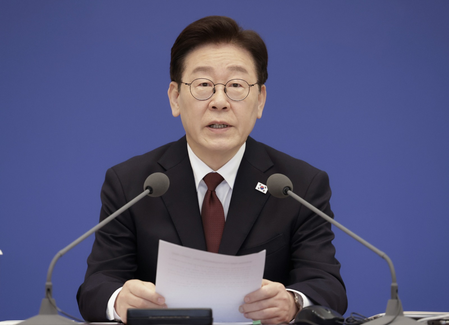
South Korean President Lee Jae Myung called for national cooperation in energy-saving initiatives due to disruptions in global energy markets caused by the prolonged Middle East conflict. He emphasized the importance of conserving electricity supplied by the state-run Korea Electric Power Corp. (KEPCO) but assured no immediate increase in electricity prices. Lee highlighted the government’s commitment to maintaining current electricity rates to prevent widening losses for KEPCO.
Lee addressed an emergency economic response meeting and announced plans for another round of fuel price caps to shield the nation’s economy from the repercussions of the US-Israel conflict with Iran. He urged gas stations to align prices with the oil price cap system’s objectives and warned against unfair profit-seeking practices like collusion and hoarding, vowing strict government action under a zero-tolerance policy.
As part of efforts to alleviate financial strain on KEPCO, Lee cautioned against increased reliance on electricity over petroleum-based products, which could escalate the company’s financial burdens and strain government finances. He disclosed that KEPCO has accrued significant debt amounting to about 206 trillion won ($136.9 billion) after selling electricity below production costs during the period of escalating global energy prices following the Russia-Ukraine conflict.
To promote energy conservation, Lee encouraged the adoption of a five-day vehicle license plate rotation system in the public sector and advocated for increased use of public transportation. Additionally, he instructed officials to prepare a detailed supplementary budget to mitigate the broader economic impact of the ongoing conflict. The ruling Democratic Party plans to present the extra budget bill to the National Assembly next Tuesday.
