


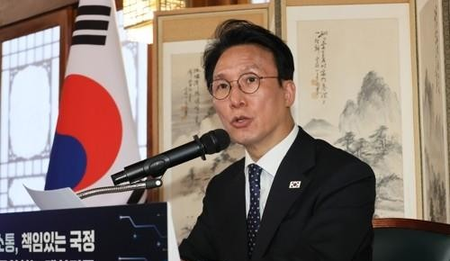
South Korean Prime Minister Kim Min-seok has directed officials to engage in talks regarding the preservation of the prosecution’s right to conduct supplementary investigations while considering the possibility of eliminating its investigative authority. This move comes in the context of proposed legislation aiming to transform the current prosecution service into an agency focused solely on indictment and court proceedings, devoid of independent investigative powers.
The legislation, championed by the ruling Democratic Party (DP) and approved in a Cabinet meeting in March, fulfills a longstanding aspiration of the ruling bloc to curtail what they perceive as the prosecution office’s misuse of investigative capabilities to target progressive politicians. Notably, the legislation has been viewed as a vindication for the late former President Roh Moo-hyun, who faced a prosecution inquiry into corruption allegations before his tragic suicide.
Despite the bill’s scheduled implementation in October, concerns have been raised by the opposition and other detractors about potential adverse consequences if the prosecution loses its investigative mandate, thereby necessitating sole reliance on the police for investigations. Critics argue that some level of investigative authority should be retained by the prosecution to avert investigative deficiencies.
Amidst public consultations on the impending prosecution reform and an upcoming revision to the Criminal Procedure Act, a recent discussion between the ruling party and the government centered on the contentious issue of whether the prosecution should be granted supplementary investigative powers. Prime Minister Kim, while vocal in his opposition to such rights for the prosecution, has emphasized the importance of considering divergent perspectives, underscoring his commitment to advancing the reform agenda.
Speculation has emerged that Kim’s stance on this matter could be a strategic move to appeal to ardent DP supporters ahead of the forthcoming leadership election within the ruling party following the upcoming local elections.
