


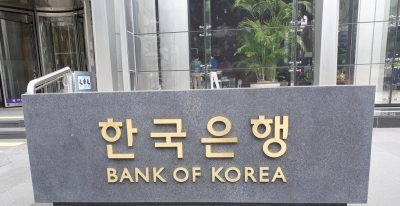
The nominee for the head of South Korea’s central bank, Shin Hyun-song, stated that despite the recent weakness of the Korean won, the country possesses adequate dollar reserves to counter external impacts. Speaking at a confirmation hearing in Seoul, Shin acknowledged the won’s sustained high exchange rate against the dollar in recent months but emphasized the undesirability of excessive currency devaluation. He reassured that South Korea’s foreign exchange reserves are robust enough to cushion against external shocks.
Shin attributed the won’s weakness partly to offshore transactions, particularly highlighting the significant role of offshore non-deliverable forward (NDF) trading in the currency’s depreciation. He expressed intentions to enhance the won’s global utility and establish an offshore settlement system to effectively manage the exchange rate and bolster the currency’s international position. The won, which had been hovering around 1,500 won per dollar, slightly eased to approximately 1,450 amid global market disruptions triggered by escalating tensions in the Middle East.
Moreover, data from the Bank of Korea revealed a fourth consecutive monthly increase in South Korea’s money supply in February. The country’s M2 money supply indicator, encompassing cash, demand deposits, and other liquid financial instruments, averaged 4,114 trillion won (US$2.79 trillion) in February, marking a 600 billion won rise from the previous month. This growth trend in money supply, rebounding since November, was primarily driven by a surge in demand deposit-type savings, while certificates of deposit (CDs) experienced a decline due to unfavorable issuance conditions and reduced funding demand.
