


The cremation rate in South Korea has been steadily increasing, reaching 94 percent in 2024 from 92.9 percent the previous year. This rise has raised concerns about potential shortages of cremation facilities, especially in densely populated cities like Seoul. Over the past decades, the national cremation rate has climbed from 33.5 percent in 2000 to 67.5 percent in 2010 and further to 89.9 percent in 2020.
The demand for cremation facilities has outpaced the supply, leading to shortages, particularly in major cities such as Seoul. During the COVID-19 pandemic, the share of cremations conducted within three days of death dropped from 86.2 percent in 2019 to 73.6 percent in 2022. As of 2025, this rate stands at 75.5 percent, still below pre-pandemic levels.
In Seoul and Busan, the cremation rates were 69.6 percent and 67.1 percent, respectively, in the previous year, both lower than the national average. With South Korea’s population rapidly aging and traditional funeral practices prevailing, experts emphasize the need for additional cremation facilities. The country officially entered a super-aged society last year, with over 20 percent of its population aged 65 and above, and is projected to witness a surge in annual deaths from 310,000 in 2020 to 700,000 in 2070.
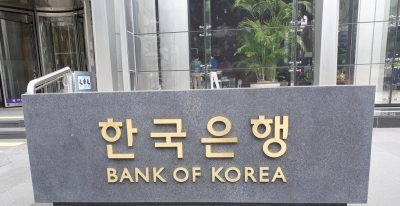
The Bank of Korea suggested that privately operated, small-scale cremation facilities, including the integration of small cremation units at hospital funeral halls, could help address the shortage. Highlighting the widespread distribution of hospital infrastructure across regions, the bank emphasized the potential for modern technology to enable environmentally friendly cremation operations. It also called for a bold overhaul of relevant laws and regulations to meet the increasing demand for cremation services.
