


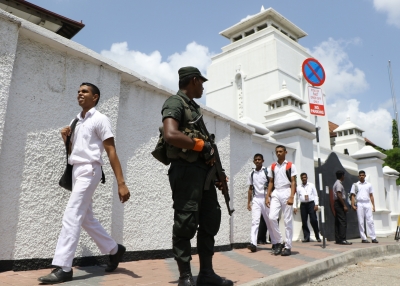
Sri Lanka is warned about the increasing threat of transnational terrorism, with terrorist groups in South Asia sharing ideologies, targets, and enemies. The 2019 Easter Sunday attacks highlighted that terrorism is a global challenge utilizing local networks, including groups like Lashkar-e-Taiba (LeT) and Hamas. Analysts emphasize the need for Sri Lanka to address this menace effectively.
The country’s existing Prevention of Terrorism Act (PTA), in effect for 45 years, has faced criticism for being draconian both domestically and internationally. Calls for reforming anti-terror laws have been reinforced by the international community, particularly the European Union, urging Sri Lanka to align with global human rights standards to maintain trade preferences.
Despite commitments to repeal the PTA in the past, successive Sri Lankan governments have struggled to implement reforms. The current government aims to abolish oppressive acts, including the PTA, to safeguard civil rights across the nation. However, the challenge lies in crafting legislation that balances national security needs with justice and equality principles.
Criticism against the PTA includes its vague definition of terrorism, leading to potential misuse and credibility issues. The government’s new proposal seeks to address these concerns by aligning with international standards, showcasing progress in legal frameworks. Sri Lanka must ensure fair application of definitions without discrimination, strengthening national security while upholding democratic values.
The threat of transnational terrorism in Sri Lanka underscores the global nature of the issue, with local networks being exploited by extremist movements like Lashkar-e-Taiba and Hamas. The country is urged not to underestimate this threat and to navigate the complex geopolitical dynamics by implementing effective legal frameworks.
