


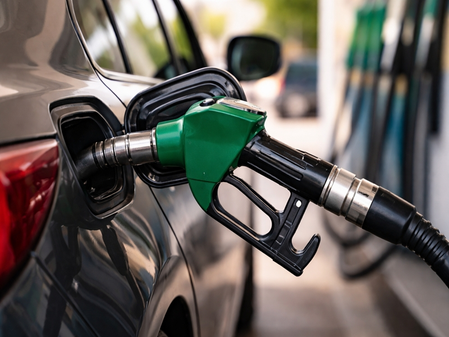
Sri Lanka has implemented a significant increase in fuel prices, with regular petrol now priced at Rs 398 per litre, up from Rs 317, and diesel reaching Rs 382 per litre, following a 25% hike. This adjustment, the second in two weeks, comes as the country anticipates the impact of ongoing Middle East conflicts on global energy markets. The recent price surge, coupled with fuel rationing measures, aims to address escalating import costs and supply uncertainties.
The government’s decision to raise fuel prices reflects concerns over mounting import expenses and supply risks. Sri Lanka relies entirely on imports for its fuel requirements and imports coal for electricity generation. The country primarily sources refined petroleum products from Singapore, Malaysia, and South Korea, while crude oil for its Iran-built refinery is obtained from the Middle East, currently experiencing heightened geopolitical tensions.
These consecutive price increases are expected to elevate transport expenses and overall inflation, affecting businesses and households already navigating economic hardships. The repercussions of the West Asia crisis are reverberating across South Asia, prompting concerns about potential fuel supply disruptions in various countries. In response to these challenges, India’s Ministry of External Affairs is evaluating requests from neighboring nations, including Sri Lanka, Bangladesh, and the Maldives, for diesel supplies.
India, a significant exporter of refined petroleum products to neighboring countries, is assessing these fuel supply requests while considering its domestic needs and refining capacity. The Ministry of External Affairs spokesperson, Randhir Jaiswal, confirmed this development during a media briefing in New Delhi earlier this month.
