


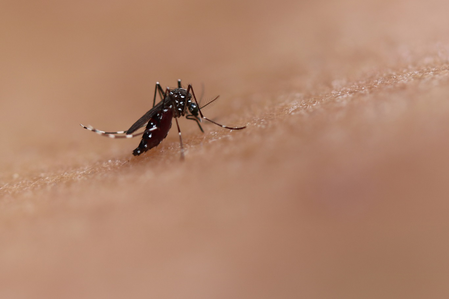
Sri Lanka has confirmed 27,754 dengue cases and 14 deaths this year, with infections documented across all 25 districts, health officials revealed. The National Dengue Control Unit highlighted a surge in cases compared to 2025, with the Western Province reporting the highest number of infections. Other districts like Matara, Galle, Ratnapura, Kalutara, and Kandy have also seen significant case numbers in the initial four months of 2026.
Community Medical Specialist Priscilla Samaraweera from the National Dengue Control Unit cautioned at a media briefing that the onset of monsoon rains might escalate transmission. Authorities noted a rise in breeding sites at schools, workplaces, religious places, and both government and private institutions over households. Inadequate waste disposal was singled out as a key factor fueling dengue spread, underscoring the necessity for public cooperation in prevention efforts, as per Xinhua news agency.
Individuals were advised to promptly seek medical help if fever is accompanied by at least two symptoms like muscle pain, headache, vomiting, nausea, or skin rashes. Dengue, also known as break-bone fever, is a viral illness transmitted to humans by mosquitoes, more prevalent in tropical regions than temperate zones.
Most dengue-infected individuals are asymptomatic, while common symptoms include high fever, headache, body aches, nausea, and rash. Recovery typically occurs within 1–2 weeks, but severe cases may necessitate hospital care. Severe dengue can be life-threatening, with a higher risk for individuals experiencing the infection for a second time.
