


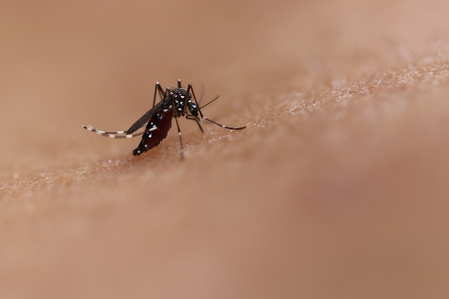
Amid a rise in chikungunya infections in various parts of Tamil Nadu, the Directorate of Public Health and Preventive Medicine (DPH) has issued a statewide alert. District administrations and urban health bodies are instructed to intensify monitoring, diagnosis, and mosquito-control efforts to prevent further spread. Health officials emphasize the need for increased vigilance due to favorable seasonal conditions for vector breeding.
The department highlighted a surge in cases in districts including Chennai, Villupuram, Tenkasi, Theni, Cuddalore, Chengalpattu, Kancheepuram, and Ariyalur. Patients commonly exhibit symptoms such as high fever, severe joint pain, muscle aches, and extreme fatigue, necessitating early identification and clinical management. Field officials are directed to enhance surveillance by collecting blood samples in fever-prone areas for laboratory confirmation using IgM ELISA tests.
To facilitate early interruption of transmission, timely reporting of cases by both government and private healthcare facilities is deemed essential. Delays in reporting could lead to rapid community spread of the virus. The department has mandated that designated dengue and chikungunya wards in hospitals maintain a mosquito-free environment with adequate bed capacity and mosquito nets for patients.
In addition, sentinel surveillance hospitals and medical colleges are instructed to stock government-approved diagnostic kits. Training programs based on updated national clinical guidelines for fever, dengue, and chikungunya will be conducted for healthcare professionals. Rapid Response Teams are on standby with logistical support to address any sudden increase in cases.
District Collectors are tasked with coordinating joint efforts, including information campaigns and intensified vector-control measures. At the grassroots level, district entomologists and health inspectors are urged to intensify source-reduction activities by eliminating stagnant water and conducting regular cleaning drives in high-risk areas. Daily larval surveillance, indoor fogging, and larvicide application in water-storage containers are now mandatory.
Emphasizing the importance of public cooperation, health officials advise residents to maintain water-storage vessels, use bed nets, wear protective clothing, and manage solid waste properly. Compliance will be monitored daily, with action reports to be submitted regularly to headquarters.
