


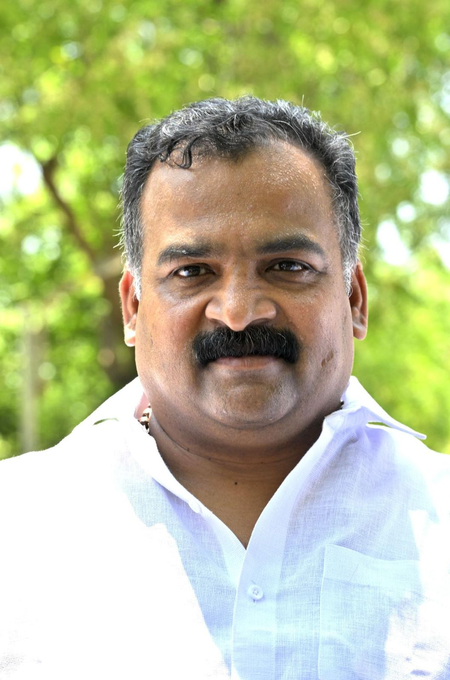
As the Tamil Nadu Assembly elections approach, tensions have surfaced within the ruling DMK–Congress coalition regarding seat distribution and government involvement. A social media post by Congress MP Manickam Tagore has sparked speculation about power-sharing dynamics between the two partners. The controversy arose after Tamil Nadu Minister Raja Kannappan announced that the DMK planned to contest in 160–170 constituencies and was optimistic about winning up to 160 seats.
Manickam Tagore, reacting to Kannappan’s statement, raised questions about the DMK’s performance in the previous election. He emphasized the importance of power-sharing, asserting that a share in governance is their right and will ultimately be determined by the people. These developments come amidst ongoing discussions and disagreements over the Congress’ role in the state government.
Chief Minister M.K. Stalin recently declared at a private event in Chennai that there would be no coalition government in Tamil Nadu, despite affirming the continuation of the alliance with the Congress. He clarified that there would be no power-sharing arrangement within the government, dismissing calls from some Congress leaders for ministerial positions. In response, Tagore highlighted the people’s role in deciding the government’s structure, referencing past election outcomes.
The debate over seat allocation and power-sharing is expected to persist as the election season gains momentum, remaining a significant topic of discussion within the DMK–Congress alliance.
