


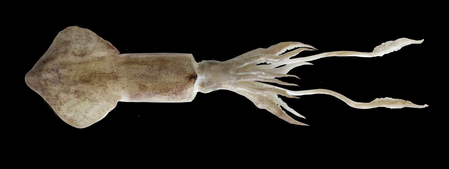
A recent study by the ICAR-Central Marine Fisheries Research Institute has uncovered intricate mating behaviors in the Indian squid, Uroteuthis duvaucelii, found in the Arabian Sea. The research, conducted by scientists from the institute’s Shell Fish Fisheries Division, sheds light on both heterosexual and homosexual mating patterns in this commercially important squid species in India. The findings could have significant implications for fisheries management and marine conservation efforts.
Led by Dr. Geetha Sasikumar and Dr. K K Sajikumar, the study analyzed squid samples from waters near Kochi. Out of 232 female squids examined, almost 40% were found to carry spermatangia, which are sperm-containing structures attached to their buccal membranes, indicating active mating behavior.
The research suggests that mating activity among Indian squids occurs year-round, with a peak in reproductive activity observed during October. Notably, the study also documented same-sex sexual behavior in Indian squid for the first time, with spermatangia found on the buccal membrane of a male squid, a behavior previously reported in deep-sea squid species.
The study, published in the Journal of Natural History, further revealed that Indian squids engage in mating at an early stage of life, with mating potentially starting as early as 98 days after hatching. Additionally, researchers observed a high number of sperm packets attached to individual female squids, indicating multiple matings with different males before egg laying.
Understanding the mating system of Indian squids is crucial for effective stock assessments and sustainable fisheries management strategies, especially as squid resources play an increasingly vital role in India’s marine economy. Researchers emphasize the need for further studies to delve into the reproductive dynamics and ecological adaptations of this species.
