


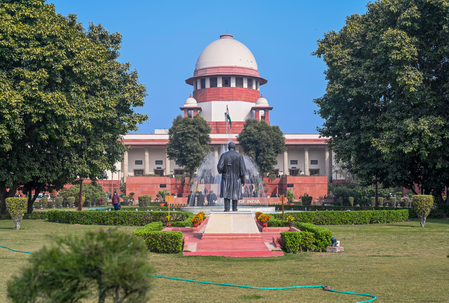
The Supreme Court has urged the government to introduce a law recognizing paternity leave as a social security benefit. This call came as the court struck down a provision limiting maternity benefits for adoptive mothers based on the child’s age. The court emphasized the importance of acknowledging fathers as equal caregivers and determining the duration of paternity leave to meet both parent and child needs.
In a recent verdict on a public interest litigation, the Supreme Court invalidated a provision in the Social Security Code, 2020, that restricted maternity leave for adoptive mothers. The court found this provision to be discriminatory and in violation of the equality guarantee under Article 14 of the Constitution. It emphasized that the needs of adoptive children are no different from biological children and that adoption is a valid pathway to family formation.
The court highlighted the unconstitutionality of limiting maternity benefits based on the age of the adopted child. It stressed that all adoptive mothers should receive maternity leave uniformly, regardless of the child’s age at the time of adoption. Additionally, the court emphasized the importance of shared parenting and recognized the role of fathers in early childcare. It noted that such recognition could lead to better developmental outcomes for children and promote gender equality in caregiving responsibilities.
Indian law currently provides up to 26 weeks of paid maternity leave under the Maternity Benefit Act for eligible women. However, there is no comprehensive statutory framework for paternity leave in the country. The Supreme Court’s ruling underscores the need for a legal framework that supports both maternal and paternal caregiving responsibilities.
