


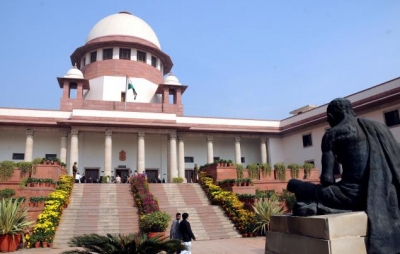
The Supreme Court has reserved its judgment on the Sabarimala reference matter after extensive hearings on various petitions. The nine-member Constitution Bench, led by Chief Justice of India Surya Kant, heard submissions from different parties and reserved its verdict. All parties have been given until May 29 to submit comprehensive written arguments.
The reference originates from a 2018 Supreme Court ruling allowing women of all ages to enter the Sabarimala Lord Ayyappa Temple. The court referred seven constitutional questions to a larger Bench, including issues related to religious freedom and equality. The Bench also addressed matters concerning Muslim women’s entry into mosques, Parsi women’s access to fire temples, excommunication practices, and female genital mutilation in the Dawoodi Bohra community.
During the hearings, the Centre and intervenors emphasized a cautious approach to judicial review in religious matters. Solicitor General Tushar Mehta argued for limited judicial review in faith-related issues, while senior advocates highlighted the distinct scrutiny under Articles 25 and 26 of the Constitution. They cautioned against excessive interference in religious practices, emphasizing the need to balance faith and judicial review.
Justice Nagarathna and Justice Sundresh expressed concerns over indiscriminate challenges to religious practices, warning against destabilizing religions through excessive judicial scrutiny. The Supreme Court clarified the maintainability of the reference and identified seven key legal questions for resolution.
