


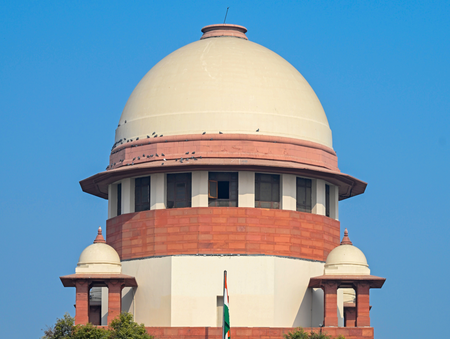
The Supreme Court declared that denying a married daughter the opportunity to be appointed as a fair price shop dealer on compassionate grounds due to her marital status is unconstitutional. The court overturned previous rejections of Kulsum Nisha’s claim, allowing her appeal after being excluded for being a married daughter. Nisha had applied for a fair price shop following her mother’s death in Uttar Pradesh’s Amethi district.
The exclusion of married daughters from the definition of “family” under a government order was deemed unconstitutional by the Supreme Court. The court emphasized that marital status should not impact considerations of dependency, financial need, residence, and ability to fulfill dealership obligations. The judgment highlighted that the exclusion was based on outdated gender stereotypes.
The Supreme Court criticized the exclusion of married daughters while married sons were not similarly excluded, pointing out the gender bias in the policy. The court emphasized that assuming a daughter severs ties with her parental family upon marriage is unfounded. The judgment stressed that dependency should be determined based on facts, not solely on marital status.
The apex court emphasized that the exclusion of married daughters from the definition of family violates constitutional guarantees of equality and non-discrimination. It ruled that such exclusion, based on gender stereotypes, infringes on constitutional provisions. The court directed that the expression “daughters” in relevant provisions should include married daughters who meet eligibility criteria.
