


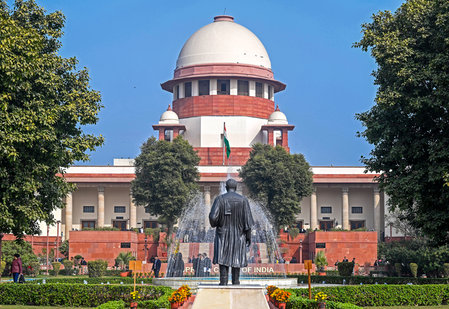
The Supreme Court has expressed its intention to closely oversee the Centre’s plans for institutional reforms in the National Testing Agency (NTA) and strategies to prevent future paper leaks. This directive came as the Union government was instructed to submit a detailed affidavit outlining its proposals, which may include transitioning NEET to a computer-based testing (CBT) mode, cybersecurity measures, and examination security protocols. The bench, led by Justices P.S. Narasimha and Alok Aradhe, scheduled further hearings for July 27 following a request by Solicitor General Tushar Mehta for additional time to present a comprehensive view of the ongoing reforms.
Referring to a batch of petitions seeking structural changes in the NEET-UG examination process after the alleged 2026 paper leak controversy, the Centre informed the court about recent developments and sought a brief adjournment to provide a holistic perspective. The Supreme Court emphasized the need for the affidavit to specifically address the necessary institutional reforms to fortify the examination system. It also highlighted the importance of implementing the recommendations put forth by the high-powered committee chaired by former ISRO Chairman K. Radhakrishnan.
During the proceedings, the apex court stressed the impermanence of temporary solutions and urged the Centre to elucidate the potential transition of NEET to a fully computer-based testing model. The court also sought insights into the cybersecurity infrastructure essential for safeguarding such a system. Solicitor General Mehta assured the court of the government’s receptiveness to constructive suggestions, emphasizing their commitment to addressing student concerns and supervising the reform process at the highest level.
The Supreme Court underscored its vigilant approach towards ensuring complete institutionalization of reforms within the examination system. It reiterated its intent to closely monitor the progress throughout the year and emphasized the necessity of preventing ongoing issues. The upcoming hearing on July 27 is expected to witness the Centre submitting a comprehensive affidavit detailing its proposed reforms to address concerns raised through the petitions.
