


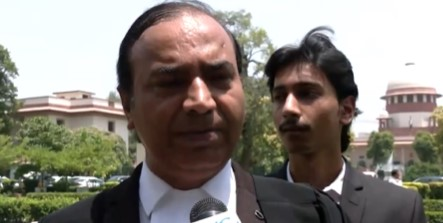
The Supreme Court supported the Election Commission of India’s move to conduct a Special Intensive Revision (SIR) of electoral rolls. Advocates noted that the court endorsed the legality and fairness of the process, dismissing claims of ‘vote theft’ against the Election Commission. The Court affirmed that the SIR procedure adhered to rules, law, and the Constitution, dismissing allegations of unfairness.
Advocate Ashwini Upadhyay highlighted the Court’s decision, emphasizing that individuals excluded from the rolls are not automatically deemed foreigners. He stressed the need for submitting proper documents to confirm citizenship. The petitioner’s advocate, Ashwani Singh, acknowledged the Court’s recognition of the Election Commission’s impartial conduct of the SIR process.
The Supreme Court’s ruling upheld the ECI’s authority to carry out the SIR, emphasizing its role in safeguarding the integrity of the electoral system. The Court, led by Chief Justice of India Surya Kant and Justice Joymalya Bagchi, affirmed that the SIR did not contravene electoral laws. It stated that the ECI had the constitutional and statutory mandate to conduct such revisions, ensuring the legality of the process.
In its verdict on challenges to the SIR’s legality, the apex court addressed key issues, including the ECI’s authority to conduct the exercise and its compliance with statutory requirements. The Court concluded that the SIR did not undermine the established framework for revising electoral rolls. It noted that the special revision, authorized by the statute, was conducted within the ECI’s discretion, emphasizing the legitimacy of the process.
