


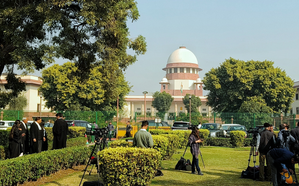
The Supreme Court affirmed a decision by the Andhra Pradesh High Court stating that individuals who convert to Christianity and continue to practice the faith cannot be classified as Scheduled Caste members. The apex court emphasized that those professing religions other than Hinduism, Sikhism, or Buddhism cannot claim Scheduled Caste status, as conversion to another faith results in the immediate loss of this designation. The bar set by the Constitution (Scheduled Castes) Order, 1950, is deemed absolute with no exceptions allowed.
In agreement with the Andhra Pradesh High Court’s stance, the Supreme Court reiterated that one cannot maintain Scheduled Caste status while practicing a different religion. The court highlighted that the appellant, who had been serving as a pastor for more than ten years and actively engaging in Christian activities, unequivocally identified with the Christian faith. The evidence presented left no ambiguity regarding the individual’s religious affiliation.
The Supreme Court’s decision underscored that the appellant had not reverted to their original religion or been readmitted to the Madiga community after converting to Christianity. The court emphasized that the individual’s continuous profession of Christianity, including leading Sunday prayers, solidified their Christian identity. The Andhra Pradesh High Court’s ruling from April 30, 2025, had previously determined that a person practicing Christianity, like the appellant, could not avail themselves of Scheduled Caste protections under the SC/ST (Prevention of Atrocities) Act.
