
Close Menu
  • Indian Festivals 2026
  • Movie & OTT Releases This Week
  • News
  • Entertainment
  • NRI Life
  • Research
  • Advertise with us
Facebook X (Twitter) Instagram YouTube
  • Download Indian Community App
  • Advertise Here
Facebook X (Twitter) Instagram
Indian CommunityIndian Community
Trending
  • Double Occupancy Movie Review: A Bold, Heartfelt Tamil Fantasy-Romance That Wins Big
  • Varavu Movie Review: Joju George Delivers a Career-Defining Powerhouse in Shaji Kailas’ Gritty Hillside Revenge Saga
  • Hum Angrezon Ke Zamane Ke Jailor Hai Movie Review: Asrani Returns in a Gripping Uttarakhand Murder Mystery
  • Police Complaint Movie Review: A Gripping Crime-Horror Mystery That Keeps You Hooked
  • Haunted 3D: Echoes Of The Past Movie Review: Vikram Bhatt’s Atmospheric Horror Returns With Spooky Thrills
  • Raakh Review: Ali Fazal, Sonali Bendre Lead a Haunting, Brilliantly Acted Crime Saga Inspired by the Ranga-Billa Case
  • Sing Geetham Movie Review: A Musical Fable That Celebrates Nature, Community, and Hope
  • Main Vaapas Aaunga Movie Review: Imtiaz Ali Delivers a Heartfelt Tale of Memory, Loss and Homecoming
  • Indian Festivals 2026
  • News
    • National
    • International
    • Entertainment
    • Achievements
    • Scam Alerts
    • Business
    • Health & Medicine
    • Science & Technology
    • Sports
  • Entertainment
  • Latest Movie Releases
    • Latest OTT Releases
  • NRI Life
  • India & Culture
  • Health & Wellness
  • Research
Indian CommunityIndian Community
Home » News » HEALTH/MEDICINE
HEALTH/MEDICINE

Surgical implant can slow down vision loss caused by blinding eye disease: Study

Indian Community Editorial TeamBy Indian Community Editorial TeamAugust 11, 20252 Mins ReadNo Comments Add us to Google Preferred Sources
Surgical implant can slow down vision loss caused by blinding eye disease: Study
Share
Facebook Twitter LinkedIn Pinterest Email

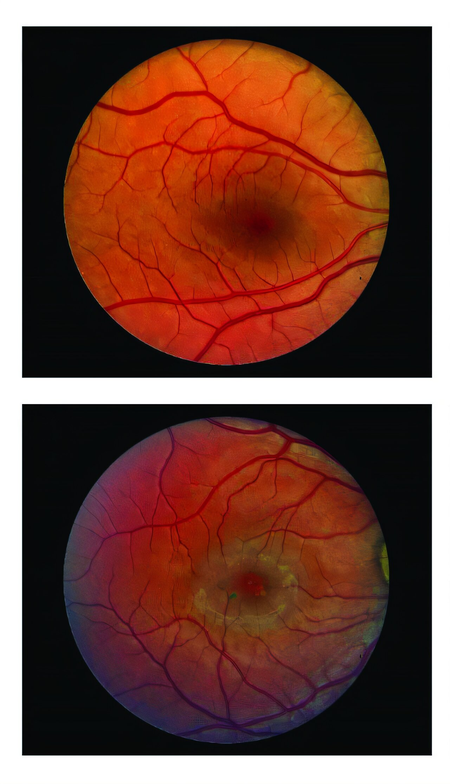
New Delhi, Aug 11 (IANS) Vision loss caused by a blinding eye disease can be slowed with a neuroprotective surgical implant, according to a study.

For people with macular telangiectasia type 2 (MacTel) — an orphan retinal disorder that gradually destroys central vision — there have long been no approved treatment options.

The study, published in NEJM Evidence, reported results from two Phase III clinical trials evaluating ENCELTO — a surgically implanted device that continuously releases a therapeutic protein to preserve vision.

Conducted across 47 sites internationally, the randomised trials enrolled 228 participants with MacTel, following their progress over a 24-month period, and the results provide strong evidence that the implant can preserve vision in people with MacTel.

“This is a step toward redefining how we think about vision loss. Instead of waiting for cells to die, we’re learning how to protect and preserve them,” said Professor Martin Friedlander of Scripps Research, US.

“This is the first time we’ve seen a therapy meaningfully alter the course of MacTel. It confirms that neuroprotection can be a powerful strategy to preserve vision in degenerative retinal conditions,” he added.

The US FDA-approved device delivers ciliary neurotrophic factor (CNTF) — a naturally occurring protein known to protect retinal neurons.

ENCELTO also consists of genetically modified retinal pigment epithelial cells — which help nourish and support the retina — housed in a tiny, collagen-based capsule, which is implanted in the back of the eye.

The capsule design helps the cells to remain shielded from immune rejection while continuously releasing CNTF — enabling long-term, localised delivery of the therapeutic molecule.

The study demonstrated that ENCELTO significantly slowed the loss of photoreceptors — light-sensing nerve cells that are critical for central vision — compared with sham-treated eyes, or eyes that underwent a simulated procedure without receiving actual treatment.

In one of the trials, the implant resulted in a 54.8 per cent reduction in the rate of ellipsoid zone loss — a measurable change in retinal structure that signals photoreceptor cell degeneration. The second trial showed a 30.6 per cent reduction in the same measure, which is still statistically significant, though smaller in magnitude.

–IANS

rvt/

Add us to Google Preferred Sources
Indian Community Editorial Team

The Indian Community Editorial Team curates, verifies, and publishes stories that matter to Indians worldwide. From culture and community to business and innovation, our mission is to spotlight voices, ideas, and events that bring our global community closer together. Have news or a story to share? Submit it to us at [email protected].

Add A Comment

Bengaluru Bravehearts Triumph Over Delhi Redz in Rugby Premier League Match

June 18, 2026

Jiiva Starrer ‘Jolliya Irrundha Oruthan’ First Look Poster Revealed

June 18, 2026

HDFC Property Fund Settles SEBI Case with Rs 26 Lakh Payment

June 18, 2026

India’s Participation in G7 Enhances Relevance in Global Conversations

June 18, 2026
  • Facebook
  • Twitter
  • Pinterest
  • Instagram
About Us
  • About Us
  • Contact Us
  • Terms of Service
Corporate
  • Download Indian Community App
  • Advertise Here
Facebook X (Twitter) Instagram
  • About Us
  • Contact Us
  • Terms of Service
© 2026 Designed by CreativeMerchants.

Type above and press Enter to search. Press Esc to cancel.