


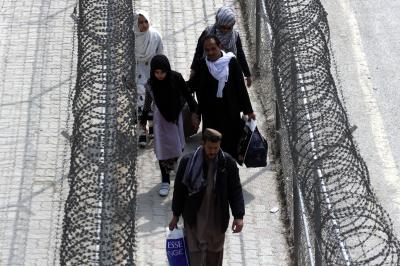
The Taliban commission for refugees revealed that Pakistan deported 4,237 Afghan immigrants on Sunday. This follows previous deportations of 4,590 Afghans on Thursday, 4,398 on Friday, and 4,142 on Saturday. The deported migrants entered Afghanistan through the Spin Boldak border crossing in Kandahar.
355 individuals were also deported from Iran on the same day, as reported by Afghan Media outlet Amu TV. The majority of these returns were involuntary. The International Organisation for Migration (IOM) stated that between April 26 and May 9, around 114,321 people returned to Afghanistan from Iran and Pakistan.
The returnees include deportees and voluntary returnees, totaling 14,778 families, with a significant number being women and children. From January 1 to May 9, more than 3.5 million individuals, comprising nearly 487,000 families, returned to Afghanistan, according to the IOM. Pakistan’s recent crackdown on undocumented foreigners, particularly Afghans, has led to concerns about forced returns and the challenges faced by deportees upon arrival.
The surge in returns coincides with Pakistan’s intensified efforts against Afghan refugees. The current enforcement actions, including arrests and forced removals, represent a significant shift in migration governance in Pakistan. Reports indicate that approximately 1,500 Afghan refugees were detained in refugee camps, with operations concentrated in Peshawar and nearby districts.
The UN refugee agency and the UN human rights office have called on governments to refrain from forcibly returning Afghan migrants who may encounter persecution or other risks, especially vulnerable groups like women, former government employees, journalists, and human rights activists.
