


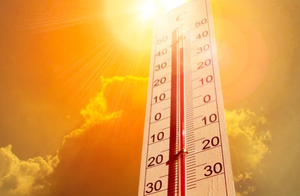
Tamil Nadu is gearing up to face the peak summer phase, known as “Agni Natchathiram” or “Kathiri Veyil,” starting from May 4 and lasting until May 28. Meteorological authorities have issued warnings about a significant increase in temperatures across the state during this period, with some districts likely to encounter near heatwave conditions. The state has been experiencing a gradual rise in temperatures since March, with a notable escalation in the impact of summer as May progresses, especially during the daytime when heat stress levels peak.
The upcoming days could see maximum temperatures in interior districts soaring up to 43 degrees Celsius, with many areas already registering temperatures above 38–40 degrees Celsius, indicating the beginning of an extended hot spell. The ‘Agni Natchathiram’ phase is traditionally acknowledged as the hottest period in Tamil Nadu, characterized by dry atmospheric conditions and intense solar radiation.
Interior regions like Vellore, Tiruchirappalli, Karur, Erode, and Madurai are anticipated to face the brunt of the heat, with elevated daytime temperatures and minimal cloud cover. In contrast, coastal areas, including Chennai, might witness slightly lower peak temperatures, but high humidity levels could create uncomfortable and oppressive conditions. The prevailing weather conditions are driven by clear skies and strong solar heating, typical during this phase before the arrival of pre-monsoon showers later in the month. However, any significant relief in the immediate future seems unlikely.
Authorities have issued advisories in anticipation of the impending heat wave, advising the public to take necessary precautions. Recommendations include staying well hydrated, avoiding outdoor activities during peak afternoon hours, and wearing light, loose clothing. Special attention is advised for children, the elderly, and individuals with underlying health issues, who are more susceptible to heat-related illnesses. Officials have also advised against prolonged outdoor exposure, especially between 11 a.m. and 3 p.m., the hottest times of the day. With the prolonged peak summer phase expected to last for over three weeks, residents are urged to stay vigilant and plan their daily activities to minimize exposure to extreme heat.
