


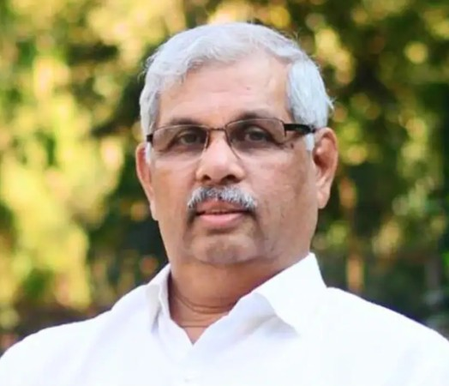
Tamil Nadu Governor Rajendra Vishwanath Arlekar has decreased the number of vehicles in his security convoy in response to Prime Minister Narendra Modi’s plea for fuel conservation amidst concerns over the West Asia crisis impacting global energy markets. The decision to reduce the convoy size from 10 to four vehicles was made after considering fuel efficiency. This move aims to streamline the convoy system while maintaining security measures.
Various governments and officials nationwide are implementing measures to lower fuel consumption and enhance economic efficiency. Following the Prime Minister’s initiative, Bihar Chief Minister Samrat Choudhary and Maharashtra Chief Minister have also opted to reduce the number of security vehicles accompanying their convoys. This collective effort seeks to promote resource efficiency and curb unnecessary fuel expenses.
In light of the uncertain global crude oil prices due to tensions in West Asia, there is a growing emphasis on energy-saving initiatives by governments. The Delhi government, for instance, has instructed its employees to work from home two days a week to reduce commuting-related fuel usage and operational costs. Such actions are anticipated to significantly decrease daily travel and support broader energy conservation endeavors.
The reduction in convoy vehicles and other fuel-saving measures align with the Prime Minister’s call to conserve petrol and diesel usage, especially amidst fears of disruptions in fuel supplies and prices due to geopolitical tensions in West Asia. These steps by governments and officials are not only setting an example for the public but also preparing for potential economic challenges stemming from international energy market developments.
