


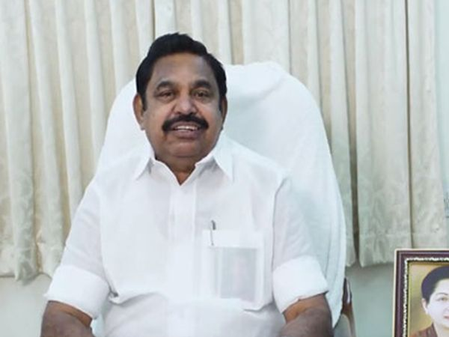
With the Tamil Nadu Assembly elections approaching, political activities in the state have intensified, especially with the Desiya Murpokku Dravida Kazhagam (DMDK) deciding to join the DMK-led front. This move has reshaped the seat-sharing dynamics within the rival AIADMK alliance. Previously expected to align with the AIADMK, the DMDK’s shift to the DMK camp has sparked discussions among AIADMK’s current partners regarding seat distribution.
Sources suggest that the absence of DMDK in the AIADMK alliance may lead other partners to push for a larger share of seats. In the previous 2021 elections, the AIADMK contested in 179 constituencies, with smaller allies contesting 12 seats under the ‘Two Leaves’ symbol. The BJP, a former ally, contested in 20 seats, while the PMK fielded candidates in 23 constituencies.
As political equations evolve ahead of the 2026 polls, there are indications that the BJP might aim for more than the 20 seats it previously contested. Additionally, the AMMK, a potential ally, is reportedly eyeing a double-digit seat count in the upcoming elections. The decision of DMDK to align with the DMK is seen as a factor that could prompt the AIADMK to swiftly adjust its alliance strategy.
The leadership is anticipated to navigate internal party aspirations alongside the demands of alliance partners, particularly in constituencies deemed winnable. The political tempo is set to rise further with Prime Minister Narendra Modi planning two visits to Tamil Nadu in March. Discussions between the AIADMK and BJP to finalize seat-sharing agreements are expected to gain momentum around these visits, signifying the formalization of their electoral understanding.
As both major political fronts gear up for the crucial Assembly battle, the upcoming weeks are poised to witness intense negotiations, strategic adaptations, and potentially more realignments within Tamil Nadu’s dynamic political arena.
