


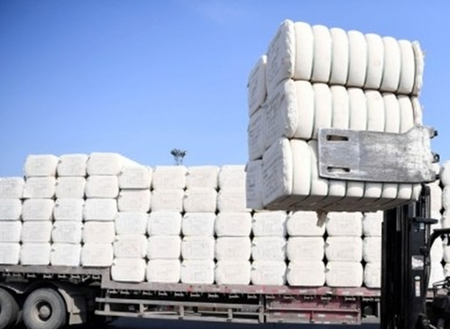
The Tamil Nadu textile industry has expressed appreciation for the Union Budget’s focus on infrastructure, skilling, and export support. However, concerns have been raised regarding the maintenance of an 11 per cent import duty on cotton, which industry leaders fear could impact the effectiveness of these initiatives. Timely access to quality cotton at competitive prices is deemed crucial for meeting export commitments and sustaining employment in the sector.
Stakeholders have welcomed key measures like the National Fibre Scheme, the establishment of mega textile parks, and the introduction of Samarth 2.0 for enhancing textile skilling. Yet, they emphasize the need for cost rationalization of raw materials to ensure global competitiveness. The Southern India Mills Association chairman has highlighted the necessity of removing the import duty on all cotton varieties to address quality shortages and fulfill export demands.
Notably, domestic cotton prices have already surged by approximately five per cent compared to international rates, with a significant gap from Brazilian cotton. This disparity, if not addressed, could severely impact the financial viability of the textile value chain. The textile and apparel sector, a significant employment provider with around 35 million direct jobs, contributes substantially to India’s textile and clothing exports, with Tamil Nadu being a key player in yarn, fabric, and garment production.
Industry voices have underscored that cotton farmers are safeguarded through the Minimum Support Price, which exceeds international rates by nearly 20 per cent. They advocate for a balanced approach, suggesting that India can export during the season and import during the off-season to benefit all stakeholders. Concerns have also been raised over the impact of the import duty on raw material access and the retention of an 18 per cent GST on job-work units, seen as a setback for the textile value chain.
Exporters have lauded the budget’s focus on liquidity and trade facilitation, anticipating positive outcomes. Customs reforms and streamlined documentation processes are expected to lower transaction costs and enhance operational efficiency. Aligning these efforts with a review of cotton duties is deemed crucial to fortifying Tamil Nadu’s and India’s positions as dependable global textile sourcing centers.
