


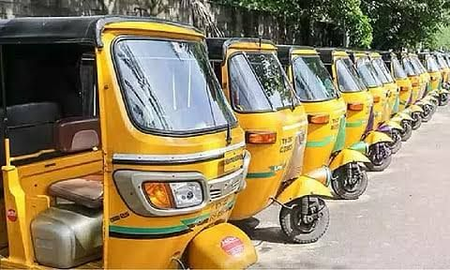
The Tamil Nadu Transport Department has instructed app-based mobility platforms like Uber, Rapido, and Porter to cease using two-wheelers and passenger autorickshaws for goods transportation within the state. State Transport Commissioner Kiran Gurrala, in letters dated February 16, highlighted that passenger auto-rickshaws are not permitted to function as goods carriers due to their contract carriage permits. Violations could lead to penalties under Sections 192A and 207 of the Tamil Nadu Motor Vehicle Rules.
The directive includes potential penalties such as vehicle seizure and fines up to Rs 5,000 for initial offenses and Rs 10,000 for subsequent breaches. To enforce compliance, enforcement officials have been tasked with surprise inspections during peak hours, seizing vehicles found violating permit conditions, and reporting details to the commissioner’s office for further action.
The crackdown follows complaints from the Federation of Tamil Nadu Auto and Call Taxi Drivers’ Associations, alleging that app-based platforms were jeopardizing licensed drivers’ livelihoods by allowing goods transportation through vehicles meant solely for passengers. Assurances from the Transport Department regarding strict actions against both erring platforms and individuals promoting illegal vehicle usage on social media led the federation to temporarily halt protests.
While the decision has received mixed reactions, with some expressing concerns about the disruption of a convenient and affordable delivery option for short-distance consignments within Chennai, others have highlighted the popularity of app-based services for sending small parcels, food items, and essential documents across the city swiftly. Many residents appreciate the quick turnaround times offered by these services, particularly for intra-city deliveries, compared to traditional courier companies.
As enforcement efforts escalate, the move is anticipated to have a significant impact on Chennai’s app-based last-mile delivery ecosystem.
