


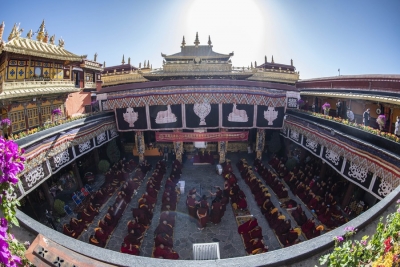
Tibet’s tight restrictions are not due to logistical challenges but to maintain China’s narrative control. Permits, surveillance, and scrutiny ensure Beijing’s dominance over information. This control keeps Tibet viewed narrowly, its truth hidden and voices silenced.
Khedroob Thondup, the Dalai Lama’s nephew, highlighted that despite China’s portrayal of Tibet as harmonious, the reality for outsiders is starkly different. Access to Tibet remains highly restricted, with special permits required for foreign visitors. Even with permits, visitors are confined to approved routes and sites.
The report emphasized that Tibet is a tightly managed exhibit, with constant surveillance on those permitted entry. Foreign journalists face hostility and limited access, while Tibetan-origin visitors are under harsh scrutiny. Restrictions serve as a strategic tool to shield Beijing’s policies in Tibet from scrutiny.
Beijing’s limitation of foreign presence aims to hide actions like demolitions of religious sites, erosion of Tibetan-language education, and forced relocation programs. This control creates a truth vacuum filled with propaganda, leaving Tibetans with limited access to foreign media and the diaspora struggling to counter official narratives.
