


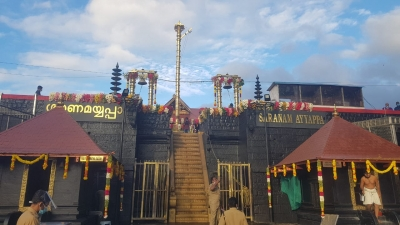
Ahead of the Sabarimala review matter hearings, the Travancore Devaswom Board has submitted that the Supreme Court should consider religion from a community-centric perspective under Article 25 of the Constitution. The written submissions, prepared by senior advocate Dr. Abhishek Singhvi, emphasize that religion should be evaluated based on the beliefs of the community rather than external standards imposed by the judiciary.
The submissions argue against the concept of “essential religious practices,” stating that it is not supported by the text of Article 25 and amounts to an unauthorized addition to constitutional constraints. According to the Board, once a belief or practice is genuinely part of a religion, it should be constitutionally protected, subject only to specified restrictions.
Highlighting the importance of constitutional intent, the submissions refer to the Constituent Assembly debates to underscore that limitations on religious freedom were carefully deliberated and should not be expanded through judicial interpretation. The plea emphasizes that individual rights under Article 25 should be balanced with the collective rights of a religious denomination, with individual assertions not overriding community beliefs and practices.
The submissions also stress the need for minimal judicial review in religious matters, warning against courts imposing their moral views on faith-based practices. They have been filed in connection with review petitions related to the 2018 Supreme Court judgment allowing women of all ages to enter the Sabarimala temple.
