


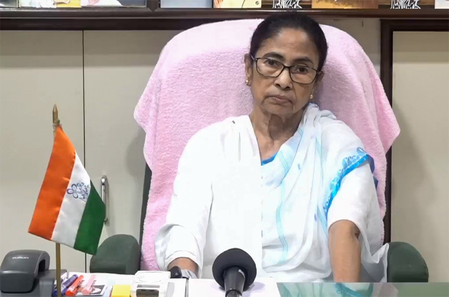
The Trinamool Congress, once a dominant force in West Bengal politics, is now grappling with internal turmoil following its defeat in the state elections. The party’s organizational structure has been weakened by issues like corruption, factionalism, and reliance on consultants, leading to a series of challenges. Recently, a breakaway faction of elected MLAs and Lok Sabha MPs has sought recognition, highlighting the growing dissent within the party.
Amidst these developments, a significant number of Trinamool MPs have expressed their discontent by either resigning from their positions or seeking recognition as a separate bloc. The party’s leadership, including prominent figures like Mamata Banerjee and Abhishek Banerjee, is facing criticism for being detached from grassroots supporters. The ongoing rebellion within the party has drawn comparisons to similar political splits in other states, indicating a deepening crisis for the Trinamool Congress.
The current situation underscores a broader issue of credibility and authority for the party, with various controversies eroding its public image. From allegations of corruption to internal dissent, the Trinamool is struggling to maintain its political standing in West Bengal. As key leaders distance themselves and seek alternative alliances, the party founded nearly three decades ago is confronting a critical juncture in its history.
