


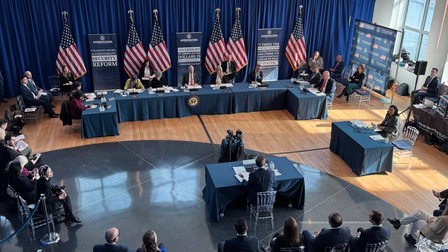
The Trump Administration, through its top diplomat Mike Waltz, emphasized the need for a more streamlined United Nations (UN) focused on its core mission of global peace and security. Waltz highlighted concerns over the UN’s budget quadrupling in the last 25 years without a proportional increase in stability worldwide. Washington aims to use its funding as leverage for UN reform, signaling a tougher stance on inefficient or misaligned agencies.
Waltz detailed ongoing reforms, including a 15% cut to the UN’s 2026 budget, reducing US contributions by $126 million and eliminating nearly 3,000 positions. The administration also seeks a 25% reduction in peacekeeping troops and restructuring of long-standing missions to prevent them from becoming permanent fixtures. Efforts include closing missions in Iraq and Yemen and reviewing operations in Lebanon and Western Sahara.
In addition to peacekeeping, the US is targeting duplication and inefficiency across UN agencies, aiming to streamline operations and enhance oversight. Waltz emphasized a shift towards private investment in development policies, aligning UN programs with economic growth and job creation. Future US funding for the UN will be contingent on efficiency, effectiveness, and accountability, with organizations failing to meet these standards at risk of losing support.
Despite advocating for reform, Waltz affirmed the US commitment to engaging with the UN, recognizing its pivotal role in shaping global outcomes. He stressed that US presence within the UN is crucial, as disengagement could lead to the organization being reinvented elsewhere.
