


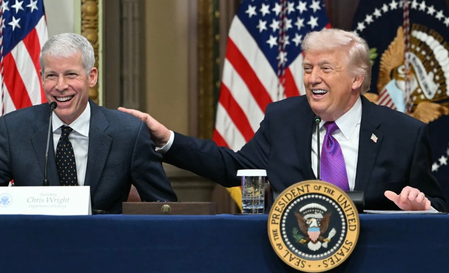
The Trump administration revealed that Iran will resume selling oil on global markets as part of the evolving diplomatic relations between Washington and Tehran. Energy Secretary Chris Wright mentioned on ABC’s “This Week” that Iran’s re-entry into energy markets is a direct outcome of the ongoing negotiations, alongside discussions on Tehran’s nuclear program. Wright highlighted that Iran is anticipated to reach export levels exceeding 1.5 million barrels per day, similar to pre-conflict volumes, emphasizing the US’s ability to halt Iranian oil exports during confrontations.
The administration aimed to reassure consumers about energy market stability after recent uncertainties due to Gulf conflicts and disruptions near the Strait of Hormuz. Wright stated that oil and natural gas flows through the strategic waterway have normalized, with the US production, increased Venezuelan output, and collaboration among major energy producers expected to further reduce energy prices. The potential resurgence of Iranian oil exports has sparked significant debate within the emerging agreement.
Former Obama National Security Adviser Susan Rice criticized the administration for granting Iran economic benefits before a comprehensive settlement. Rice highlighted that Iran can now freely sell all oil and related products on the market and access frozen assets, labeling the arrangement as a premature surrender. This disagreement underscores the broader Washington debate on utilizing economic incentives to secure Iranian cooperation or withholding them until Tehran accepts stricter controls on its nuclear and military activities.
