


The Trump administration stated that oil traffic through the Strait of Hormuz has rebounded to around two-thirds of its pre-war levels. US Energy Secretary Chris Wright dismissed claims that the strait’s traffic had come to a halt despite recent US strikes and Iranian assaults. Wright mentioned that currently, nearly 14 million barrels a day are flowing from the Arabian Gulf region, marking a significant increase from March.
Wright admitted that while traffic had not fully normalized, the publicly available data did not capture all the oil passing through the area. He highlighted a decrease in ship numbers but emphasized the use of larger tankers to maintain global market supply. Following an Iranian attack that resulted in the death of two US service members in Jordan, US forces retaliated with new strikes against Iran.
The Energy Secretary affirmed Washington’s commitment to safeguarding traffic through the Strait, with or without Iran’s cooperation. President Donald Trump is reportedly seeking diplomatic solutions, but preparations to ensure traffic flow continue in the absence of Iranian cooperation. Democratic Senator Mark Warner contested the administration’s evaluation, citing significant fuel price hikes in Virginia post-war.
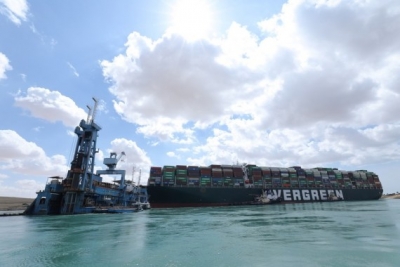
Retired Admiral James Stavridis, a former NATO supreme allied commander, cautioned about potential threats beyond the Strait of Hormuz. He warned that Iran might leverage the Houthis to disrupt the Suez Canal, emphasizing the need to monitor this situation closely. Stavridis also suggested a possible link between recent Jordan attacks and the canal’s strategic importance near the Red Sea’s northern end.
