


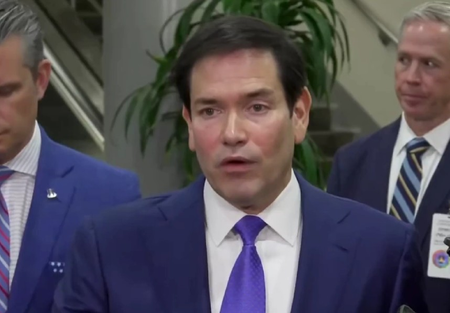
The Trump administration is implementing measures to increase control over Venezuela’s oil exports, including sanctions enforcement and US-managed sales. Secretary of State Marco Rubio emphasized that Venezuela is unable to export oil without US approval, highlighting Washington’s influence over the country’s energy sector. The US is maintaining an oil embargo on Venezuela, overseeing selected oil movements, and ensuring that oil revenue is not misused.
President Donald Trump recently announced that Venezuela’s interim authorities would transfer between 30 million and 50 million barrels of sanctioned oil to the US for sale at market prices. The Energy Department disclosed plans to supervise the sale of these barrels, with proceeds managed through US-controlled accounts. This move has implications for global oil markets, especially for major buyers like India, a significant crude importer affected by US sanctions on Venezuelan oil imports in 2019.
Republican lawmakers have commended the administration’s actions, viewing them as crucial for enforcing sanctions and holding leaders accountable. However, Democrats have expressed concerns about shifting objectives and the lack of congressional authorization. Representative Gregory Meeks stressed the need for clarity on the administration’s goals in Venezuela, while Senator Dick Durbin raised questions about costs, duration, and the potential long-term US involvement in Venezuela’s oil sector.
There are debates surrounding whether the US actions amount to de facto control of Venezuela’s energy industry. Indian American Congressman Raja Krishnamoorthi intends to introduce legislation preventing the use of federal funds for occupying or managing Venezuela, including its oil sector, without explicit congressional approval. Despite concerns, Secretary Rubio assured that US control over Venezuelan oil is a temporary measure for stabilization, not a permanent takeover.
