


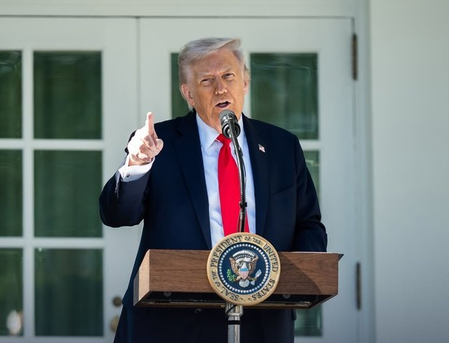
US President Donald Trump is contemplating imposing fresh national security tariffs on multiple industries following the Supreme Court’s rejection of many of his previous levies. The proposed tariffs may target sectors such as large-scale batteries, cast iron and iron fittings, plastic piping, industrial chemicals, and power grid and telecom equipment. These tariffs would be implemented under Section 232 of the Trade Expansion Act of 1962, which empowers the president to levy duties based on national security considerations.
According to a report by the Wall Street Journal, these measures would be distinct from a new global 15 percent tariff that Trump intends to maintain for a period of five months. Notably, products already subjected to tariffs under Section 232 have been exempt from additional levies in the past. Trump has utilized this provision previously to impose tariffs on steel, aluminium, copper, cars, trucks, and auto parts.
The timeline for the announcement of new investigations by the Commerce Department and the implementation of any potential tariffs remains uncertain. Section 232 mandates thorough investigations, but once imposed, duties can be modified unilaterally. White House spokesman Kush Desai emphasized the administration’s commitment to utilizing all lawful authorities to safeguard America’s national and economic security.
The Supreme Court recently ruled 6-3 to invalidate most of Trump’s second-term tariffs issued under the International Emergency Economic Powers Act. However, the ruling did not address the Section 232 tariffs, which have encountered fewer legal challenges. Trump’s trade policies have faced scrutiny from US courts and trading partners, with his earlier tariffs on steel and aluminium prompting retaliatory actions from various countries, including India.
Potential new national security tariffs imposed by the US could impact India’s exports in metals, chemicals, and components linked to global supply chains. Despite ongoing tariff disputes, India and the US have endeavored to stabilize trade relations in recent years.
