


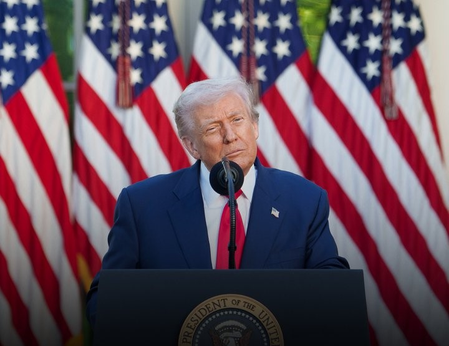
US President Donald Trump has signed a proclamation introducing a tariff incentive program to encourage the development of aluminium smelters within the country. This initiative aims to enhance the nation’s industrial capacity and address concerns related to national security linked to imports. The program, established under Section 232 of the Trade Expansion Act of 1962, will offer reduced tariff rates for companies expanding domestic primary aluminium production.
The White House disclosed that the program will require companies to commit to constructing new facilities, expanding current plants, or modernizing outdated smelters in the United States. The Commerce Department will oversee compliance with these commitments and has the authority to withdraw tariff benefits, even retroactively, if companies fail to fulfill their obligations or provide inaccurate information. Projects approved under this program must commence construction by January 20, 2029.
Primary aluminium holds significant importance for the US defense industrial base as it is utilized in the production of military equipment such as armoured vehicles, naval vessels, spacecraft, and missiles. The proclamation emphasizes that advanced aluminium alloys crucial for these systems can only be derived from primary aluminium. With domestic demand surpassing current smelting capacity, the US administration views increasing local production as a strategic necessity. The move seeks to prompt companies to relocate primary aluminium production back to the US while retaining tariffs on imports deemed to pose national security risks.
Trump stated in the proclamation that establishing an investment incentive program for companies investing in new US primary aluminium production capacity is essential. The changes are intended to ensure that the existing tariff structure on aluminium imports effectively addresses national security concerns. The Commerce Secretary is granted the authority to demand periodic compliance reports and conduct external audits if necessary. If a company is found to have engaged in fraud or misled officials regarding their onshoring commitments, tariff benefits may be revoked retroactively, and additional penalties imposed as permitted by law.
This initiative aligns with Trump’s utilization of Section 232 tariffs to bolster domestic manufacturing in sectors crucial for national and economic security, including steel, aluminium, copper, automobiles, trucks, timber, lumber, and pharmaceuticals. The administration’s strategy involves leveraging tariffs alongside investment incentives to incentivize manufacturers to expand production within the United States.
