


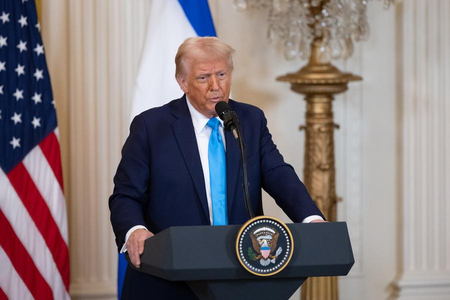
US President Donald Trump has expressed dissatisfaction with Iran’s latest peace proposal, aiming to reopen the Strait of Hormuz and lift the US naval blockade on Iran’s ports while deferring discussions on its nuclear program. Trump, during a meeting with national security officials, indicated reluctance to accept the proposal recently presented to the US. The President’s stance aligns with his repeated assertions against Iran possessing nuclear weapons.
US Secretary of State Marco Rubio, in an interview with Fox News, acknowledged Iran’s improved proposal but emphasized the necessity of preventing Tehran from acquiring nuclear arms. Trump has emphasized that any potential peace agreement with Iran must adhere to US terms and timelines, dismissing any external pressures regarding the ongoing conflict with Iran.
Iranian Foreign Minister Seyed Abbas Araghchi, in discussions with Russian officials, criticized the sluggish diplomatic progress between Iran and the US, attributing it to the US’s persistent “destructive habits.” Araghchi highlighted the challenges posed by the US’s unreasonable demands, shifting positions, and threats, impacting the negotiation process. Iran’s decision-making in the diplomatic realm considers past experiences, including military actions against the country amid negotiations and economic pressures.
The conflict between Israel and the US against Iran led to a ceasefire, subsequent talks in Pakistan, and the US imposing a naval blockade on the Strait of Hormuz. Despite expectations for further peace discussions, Iran opted out, citing the blockade and excessive demands from the US as primary obstacles.
